How Data Centers Use Solar Energy to Reduce Downtime and Costs
- Key Impacts of Downtime
- How Solar Power Supports Data Center Operations
- Solar Panels
- Battery Energy Storage Systems (BESS)
- Uninterruptible Power Supply (UPS)
- Energy Management Systems (EMS)
- Benefits of Solar Battery Systems
- How Solar Lowers Operating Costs
- Example Cost Savings
- Key Financial Benefits
- ROI Timeline
- On-Site Solar
- Off-Site Solar (Power Purchase Agreements)
- Benefits for ESG and Compliance
- High Initial Investment
- Space Limitations
- Intermittency
- Integration Complexity
- Emerging Trends
- Key Benefits
- 1. Can solar energy fully power a data center?
- 2. How does solar reduce downtime in data centers?
- 3. What is the cost of solar for data centers?
- 4. Is solar energy cost-effective for data centers?
- 5. What are the biggest challenges of using solar in data centers?
Introduction
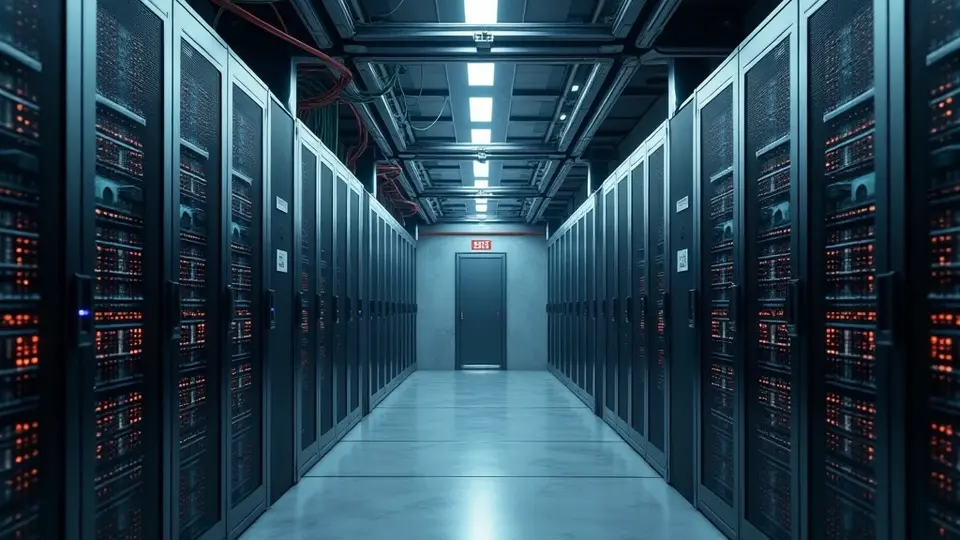
Data centers are the backbone of the digital economy. From cloud computing and financial transactions to artificial intelligence and streaming services, nearly every digital interaction depends on data center infrastructure. Because of this, uptime is critical. Even a few minutes of downtime can result in massive financial losses, reputational damage, and service disruptions.
As global energy demand rises and electricity costs continue to increase, operators are facing mounting pressure to improve efficiency while maintaining reliability. This is where solar energy for data centers is becoming a strategic solution.
By integrating commercial solar systems, battery storage, and advanced energy management, data centers can reduce operational costs, improve uptime, and enhance long-term sustainability. This article explores how solar energy is transforming modern data centers and why it has become a high-priority investment in 2026.
Why Downtime Is So Expensive for Data Centers
Downtime is one of the most critical risks in data center operations. The cost of a single outage can be extremely high.
Key Impacts of Downtime
- Revenue loss for cloud service providers
- Disruption of financial transactions
- Data integrity risks
- Damage to brand reputation
- Penalties for service-level agreement (SLA) violations
According to industry estimates, downtime can cost anywhere from $5,000 to over $100,000 per minute, depending on the scale of operations.
Because of these risks, data centers invest heavily in backup power systems, traditionally relying on diesel generators and uninterruptible power supply (UPS) systems. However, these solutions come with high operating costs and limitations.
The Role of Solar Energy in Data Centers
Solar energy is increasingly being adopted as part of a hybrid power strategy in data centers.
How Solar Power Supports Data Center Operations
- Provides an additional power source alongside the grid
- Reduces dependency on fossil fuels
- Supports backup systems during outages
- Lowers overall electricity costs
- Enhances energy resilience
Unlike traditional power sources, solar power systems for data centers can be scaled and integrated with existing infrastructure, making them suitable for both new and existing facilities.
Key Components of a Solar-Powered Data Center
A modern solar-powered data center relies on several integrated technologies.
Solar Panels
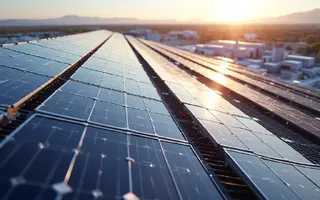
Large-scale photovoltaic systems are installed either on-site or through off-site solar farms. These systems generate electricity during daylight hours.
Battery Energy Storage Systems (BESS)
Battery storage is essential for storing excess energy and ensuring power availability during outages or peak demand periods.
Uninterruptible Power Supply (UPS)
UPS systems provide immediate power during transitions between energy sources, ensuring zero downtime.
Energy Management Systems (EMS)
EMS software optimizes energy distribution, prioritizes critical loads, and improves overall efficiency.
Solar + Battery Storage: Reducing Downtime
One of the most important advantages of solar energy is its ability to work in combination with battery storage.
Benefits of Solar Battery Systems
- Instant power supply during outages
- Seamless transition between energy sources
- Reduced reliance on diesel generators
- Improved system redundancy
- Enhanced uptime and reliability
When integrated properly, a solar battery storage system can significantly reduce the risk of downtime by ensuring continuous power supply to critical operations.
Cost Reduction with Solar Energy
Energy consumption is one of the largest operational expenses for data centers. Solar energy provides a powerful way to reduce these costs.
How Solar Lowers Operating Costs
- Reduces reliance on grid electricity
- Eliminates fuel costs associated with generators
- Lowers peak demand charges
- Provides predictable long-term energy pricing
Example Cost Savings
Large data centers can save millions of dollars annually by integrating solar energy systems, especially in regions with high electricity costs.
ROI of Solar Energy for Data Centers
Despite the high upfront investment, solar energy offers strong long-term returns.
Key Financial Benefits
- Lower operational expenses
- Tax incentives and rebates in Tier 1 markets
- Increased asset value
- Long system lifespan (25+ years)
ROI Timeline
Most data centers achieve ROI within 5 to 10 years, depending on system size and energy usage.
On-Site vs Off-Site Solar Solutions
Data centers can adopt different solar deployment strategies.
On-Site Solar
- Installed directly at the data center location
- Provides immediate energy savings
- Limited by available space
Off-Site Solar (Power Purchase Agreements)
- Energy generated from remote solar farms
- Scalable for large energy demands
- Requires long-term contracts
Many data centers use a combination of both to maximize efficiency and cost savings.
Solar Energy and Sustainability Goals
Sustainability is becoming a major priority for technology companies and data center operators.
Benefits for ESG and Compliance
- Reduces carbon footprint
- Supports corporate sustainability targets
- Improves brand reputation
- Attracts environmentally conscious clients
Major tech companies are already investing heavily in renewable energy to achieve carbon neutrality.
Challenges of Solar Integration in Data Centers
While solar energy offers many benefits, there are also challenges to consider.
High Initial Investment
The upfront cost of installation can be significant.
Space Limitations
On-site solar requires large installation areas.
Intermittency
Solar energy production depends on sunlight availability.
Integration Complexity
Combining solar with existing infrastructure requires careful planning.
Despite these challenges, advancements in battery technology and energy management systems are making solar integration more practical.
Future Trends in Solar-Powered Data Centers
The adoption of solar energy in data centers is expected to grow rapidly.
Emerging Trends
- AI-driven energy optimization
- Advanced battery technologies
- Microgrid integration
- Increased use of renewable energy contracts
- Hybrid energy systems combining solar, wind, and storage
These innovations will further improve reliability and cost efficiency.
Strategic Advantages for Data Center Operators
Adopting solar energy provides several competitive advantages.
Key Benefits
- Improved uptime and reliability
- Reduced operational costs
- Greater energy independence
- Enhanced sustainability profile
- Long-term financial stability
For enterprise-level data centers, these advantages can significantly impact profitability and growth.
Conclusion
Solar energy is no longer just a sustainability initiative for data centers—it is a strategic investment in reliability and cost optimization. By integrating solar power systems, battery storage, and advanced energy management technologies, data centers can significantly reduce downtime while lowering operational expenses.
As the demand for digital services continues to grow, the importance of reliable and cost-effective energy solutions will only increase. Solar energy offers a scalable, sustainable, and financially viable path forward for data center operators in 2026 and beyond.
Frequently Asked Questions (FAQ)
1. Can solar energy fully power a data center?
In most cases, solar energy is used alongside other power sources. However, with sufficient battery storage, it can cover a significant portion of energy needs.
2. How does solar reduce downtime in data centers?
Solar systems combined with battery storage provide continuous power during outages, reducing reliance on backup generators.
3. What is the cost of solar for data centers?
Costs vary widely depending on size, but large-scale systems can range from several million to tens of millions of dollars.
4. Is solar energy cost-effective for data centers?
Yes, despite the initial investment, solar energy reduces long-term operational costs and provides strong ROI.
5. What are the biggest challenges of using solar in data centers?
Key challenges include high upfront costs, space requirements, and integration complexity.