Solar Solutions for High-Tech Manufacturing Facilities
- Key Energy Demands
- Rising Energy Costs
- Core Components
- Solar Panels
- Inverters
- Battery Storage Systems
- Energy Management Systems (EMS)
- On-Site Solar Systems
- Off-Site Solar (Power Purchase Agreements)
- Hybrid Energy Systems
- Estimated Cost Range (2026)
- Factors Affecting Cost
- Key Financial Benefits
- ROI Timeline
- Benefits of Solar + Battery Systems
- Key Compliance Areas
- How Solar Supports Compliance
- Solar and Industry 4.0
- High Initial Investment
- Space Constraints
- Integration Complexity
- Intermittent Energy Production
- Emerging Trends
- Operational Benefits
- Financial Benefits
- Competitive Advantages
- 1. Is solar energy suitable for high-tech manufacturing?
- 2. How much does solar installation cost for manufacturing facilities?
- 3. What is the ROI for solar in manufacturing?
- 4. Can solar power support sensitive equipment?
- 5. What are the main benefits of solar energy in manufacturing?
Introduction
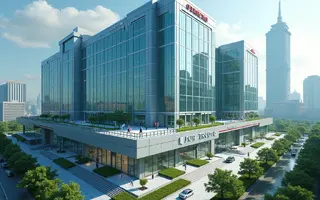
High-tech manufacturing facilities are among the most energy-intensive and precision-driven environments in modern industry. From semiconductor fabrication plants and electronics assembly lines to advanced robotics and aerospace production, these facilities require a stable, uninterrupted, and high-quality power supply.
As energy costs continue to rise and sustainability regulations become more stringent, manufacturers are under increasing pressure to reduce operational expenses while maintaining strict production standards. This has led to the rapid adoption of solar solutions for high-tech manufacturing facilities.
By integrating industrial solar power systems, advanced battery storage, and intelligent energy management, manufacturers can significantly reduce electricity costs, improve energy reliability, and meet environmental compliance requirements. This article explores how solar energy is transforming high-tech manufacturing, focusing on cost, return on investment, system design, and long-term benefits.
Why Energy Efficiency Matters in High-Tech Manufacturing
Energy consumption is a major operational expense in high-tech manufacturing. Facilities often operate continuously and require precise environmental control.
Key Energy Demands
- Cleanroom environments for semiconductor production
- Automated production lines and robotics
- Precision machining equipment
- HVAC systems and air filtration
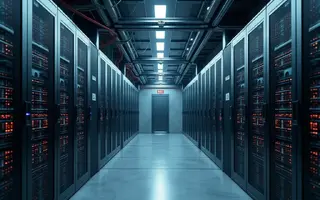
- Data processing and control systems
Even minor fluctuations in power quality can disrupt production processes, leading to costly downtime and product defects.
Rising Energy Costs
In Tier 1 markets such as the United States, energy prices are increasing, making energy cost reduction in manufacturing a top priority.
How Solar Power Systems Work in Manufacturing Facilities
Solar energy systems can be integrated into manufacturing operations without disrupting production.
Core Components
Solar Panels
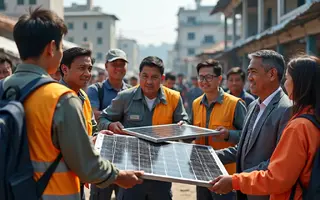
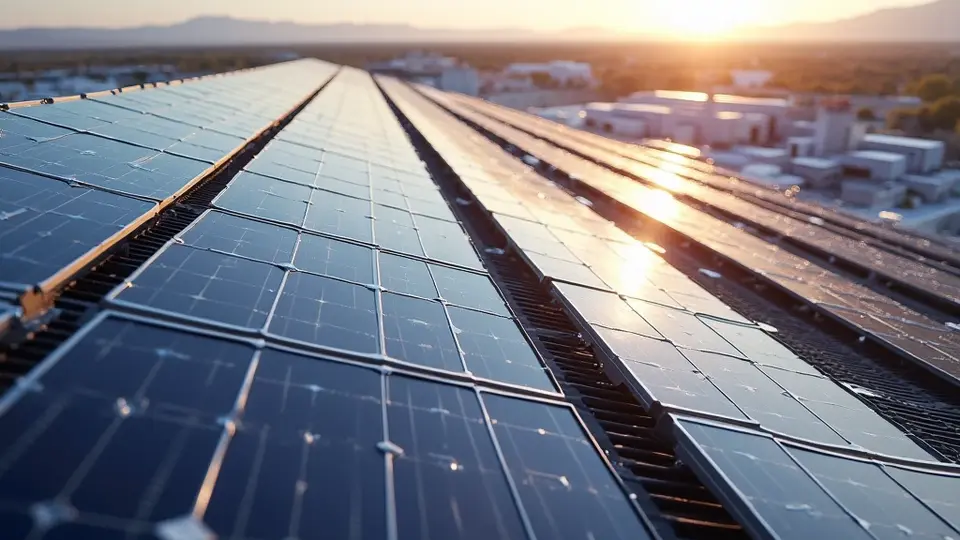
Installed on rooftops or nearby land, solar panels generate electricity during daylight hours.
Inverters
Convert solar energy into usable power for industrial equipment.
Battery Storage Systems
Store excess energy for use during peak demand or outages.
Energy Management Systems (EMS)
Optimize energy usage and ensure stable power distribution.
Types of Solar Solutions for High-Tech Manufacturing
Manufacturers can choose from several solar deployment strategies depending on their needs.
On-Site Solar Systems
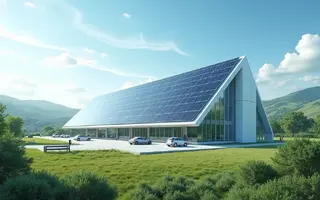
Installed directly at the facility, providing immediate energy savings and control over energy production.
Off-Site Solar (Power Purchase Agreements)
Energy is generated from external solar farms and supplied through long-term contracts.
Hybrid Energy Systems
Combine solar power with grid electricity and battery storage for maximum reliability.
Cost of Solar Solutions for Manufacturing Facilities
The cost of implementing industrial solar systems varies depending on facility size, energy demand, and system complexity.
Estimated Cost Range (2026)
- Small facilities: $1 million to $5 million
- Medium facilities: $5 million to $20 million
- Large high-tech plants: $20 million to $100 million or more
Factors Affecting Cost
- Energy consumption levels
- Available installation space
- Battery storage capacity
- Integration complexity
- Local labor and equipment costs
Although the upfront investment is substantial, the long-term financial benefits are significant.
ROI and Cost Savings
Solar energy provides strong return on investment for manufacturing companies.
Key Financial Benefits
- Reduced electricity bills
- Lower peak demand charges
- Protection against energy price volatility
- Access to tax incentives and rebates
ROI Timeline
Most high-tech manufacturing facilities achieve ROI within 4 to 8 years, depending on system size and energy usage.
Solar Energy and Power Quality
High-tech manufacturing requires stable and high-quality power.
Benefits of Solar + Battery Systems
- Voltage stabilization
- Reduced power fluctuations
- Improved reliability
- Continuous power supply during outages
By integrating battery storage, manufacturers can ensure consistent power quality for sensitive equipment.
Compliance and Sustainability Requirements
Manufacturers must comply with strict environmental and regulatory standards.
Key Compliance Areas
- Emissions reduction targets
- Energy efficiency regulations
- ESG reporting requirements
How Solar Supports Compliance
- Reduces carbon footprint
- Supports renewable energy goals
- Enhances sustainability reporting
- Improves corporate reputation
Solar energy plays a critical role in meeting both regulatory and corporate sustainability objectives.
Integration with Smart Manufacturing Systems
Modern manufacturing facilities are increasingly adopting smart technologies.
Solar and Industry 4.0
- Integration with IoT devices
- Real-time energy monitoring
- AI-driven energy optimization
- Predictive maintenance
These technologies allow manufacturers to maximize the efficiency of solar energy systems.
Challenges of Solar Implementation
Despite its benefits, solar adoption comes with challenges.
High Initial Investment
Upfront costs can be significant.
Space Constraints
Large installations require adequate space.
Integration Complexity
Systems must be carefully integrated with existing infrastructure.
Intermittent Energy Production
Solar energy depends on sunlight availability.
Advances in battery storage and energy management systems are helping to overcome these challenges.
Future Trends in Solar Manufacturing
The future of solar energy in manufacturing is rapidly evolving.
Emerging Trends
- Advanced battery storage technologies
- AI-powered energy management
- Increased adoption of hybrid energy systems
- Expansion of renewable energy contracts
- Development of fully solar-powered factories
These innovations will further improve efficiency and reduce costs.
Strategic Advantages for Manufacturers
Adopting solar energy provides several competitive advantages.
Operational Benefits
- Reduced energy costs
- Improved reliability
- Enhanced efficiency
Financial Benefits
- Strong ROI
- Lower operating expenses
- Increased asset value
Competitive Advantages
- Improved ESG performance
- Enhanced brand reputation
- Greater investor appeal
Conclusion
Solar solutions are becoming an essential component of high-tech manufacturing facilities. By reducing energy costs, improving power reliability, and supporting compliance with environmental regulations, solar energy provides a strategic advantage in an increasingly competitive industry.
As technology continues to advance and energy costs rise, the adoption of solar energy in manufacturing will accelerate. For high-tech manufacturers, investing in solar power is not just a cost-saving measure—it is a long-term strategy for sustainability, efficiency, and growth.
Frequently Asked Questions (FAQ)
1. Is solar energy suitable for high-tech manufacturing?
Yes, solar energy can be integrated with battery storage to provide reliable and stable power.
2. How much does solar installation cost for manufacturing facilities?
Costs typically range from $1 million to over $100 million, depending on facility size.
3. What is the ROI for solar in manufacturing?
Most facilities achieve ROI within 4 to 8 years.
4. Can solar power support sensitive equipment?
Yes, when combined with battery systems and energy management, it can provide stable power.
5. What are the main benefits of solar energy in manufacturing?
Key benefits include cost savings, improved reliability, compliance, and sustainability.