Solar Glass and Facades: The Future of Energy-Generating Buildings
- Key Applications
- Core Components
- Photovoltaic Glass Panels
- Structural Integration
- Inverters
- Energy Management Systems
- Transparent Solar Glass
- Semi-Transparent Solar Panels
- Thin-Film Solar Glass
- Colored Solar Glass
- Estimated Cost Range (2026)
- Factors Affecting Cost
- Energy Cost Savings
- Increased Property Value
- ROI Timeline
- Aesthetic Integration
- Space Efficiency
- Sustainability
- Energy Independence
- Compliance
- Key Differences
- Design
- Efficiency
- Cost
- Flexibility
- Use Cases
- Benefits for Developers
- Urban Benefits
- High Initial Investment
- Lower Efficiency Compared to Traditional Panels
- Technical Complexity
- Limited Awareness
- Emerging Trends
- Financial Benefits
- Competitive Advantages
- Key Benefits
- 1. What is solar glass?
- 2. Is solar glass more expensive than traditional glass?
- 3. What is the ROI for solar facade systems?
- 4. Can solar glass be used in residential buildings?
- 5. What are the main benefits of solar facades?
Introduction
Modern architecture is undergoing a major transformation as sustainability, energy efficiency, and smart design become central priorities in construction and real estate. Traditional solar panels, while effective, often present limitations in aesthetics and space utilization. This has led to the rise of solar glass and facades, an advanced form of building-integrated photovoltaics (BIPV) that allows structures to generate electricity without compromising design.
Solar glass technology enables windows, walls, and building facades to function as energy-producing surfaces. Instead of installing external panels, buildings themselves become power generators. This innovation is particularly valuable in dense urban environments where space is limited and energy demand is high.
In 2026, energy-generating buildings using solar facades are gaining significant traction in Tier 1 markets such as the United States and Europe. This article explores how solar glass and facades work, their cost, return on investment, benefits, challenges, and future trends.
What Is Solar Glass and Facade Technology?
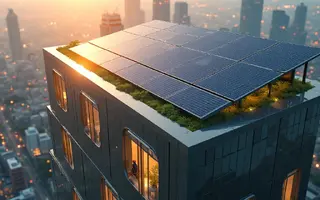
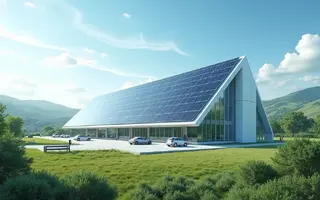
Solar glass refers to specially designed glass panels embedded with photovoltaic cells capable of converting sunlight into electricity. These panels are integrated into building structures such as windows and exterior walls.
Key Applications
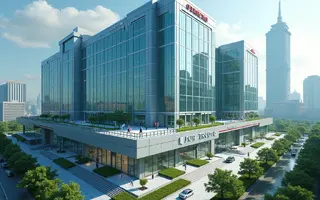
- Curtain wall facades in commercial buildings
- Office windows and glass panels
- Skyscraper exteriors
- Residential building facades
- Skylights and atriums
Unlike traditional solar panels, solar glass systems are designed to blend seamlessly into architectural designs.
How Solar Facade Systems Work
Solar facade systems function similarly to conventional photovoltaic systems but are integrated into the building envelope.
Core Components
Photovoltaic Glass Panels
Convert sunlight into electricity while maintaining transparency or semi-transparency.
Structural Integration
Glass panels serve as both building materials and energy generators.
Inverters
Convert direct current (DC) into usable alternating current (AC).
Energy Management Systems
Monitor and optimize energy production and consumption.
Types of Solar Glass Technologies
Transparent Solar Glass
Allows light to pass through while generating electricity, ideal for windows and skylights.
Semi-Transparent Solar Panels
Balance light transmission and energy production, commonly used in facades.
Thin-Film Solar Glass
Lightweight and flexible, suitable for large surface areas and complex designs.
Colored Solar Glass
Provides aesthetic flexibility for architects while generating energy.
Cost of Solar Glass and Facade Systems
The cost of implementing solar glass technology varies depending on project size and complexity.
Estimated Cost Range (2026)
- Residential installations: $25,000 to $80,000
- Commercial buildings: $150,000 to $2 million+
- Large-scale developments: $2 million to $20 million+
Factors Affecting Cost
- Type of solar glass technology
- Building size and design
- Installation complexity
- Location and labor costs
- Integration with existing systems
Although the initial investment is higher than traditional materials, solar glass replaces conventional glass, offsetting part of the cost.
ROI and Financial Benefits
Solar glass systems offer long-term financial advantages.
Energy Cost Savings
- Reduced electricity bills
- Lower reliance on grid power
- Protection against energy price increases
Increased Property Value
Energy-efficient buildings often command higher market value and rental rates.
ROI Timeline
Most projects achieve ROI within 7 to 12 years, depending on energy usage and system size.
Advantages of Energy-Generating Buildings
Aesthetic Integration
Solar glass blends seamlessly with modern architectural designs.
Space Efficiency
Utilizes existing building surfaces without requiring additional space.
Sustainability
Reduces carbon emissions and supports green building initiatives.
Energy Independence
Allows buildings to generate their own electricity.
Compliance
Helps meet environmental regulations and energy efficiency standards.
Solar Glass vs Traditional Solar Panels
Key Differences
Design
Solar glass integrates into building structures, while traditional panels are mounted externally.
Efficiency
Traditional panels may have higher efficiency, but solar glass offers broader application.
Cost
Solar glass has higher upfront costs but replaces building materials.
Flexibility
Solar glass provides greater design flexibility for architects.
Applications in Commercial Real Estate
Commercial real estate is a major driver of solar glass adoption.
Use Cases
- Office buildings
- Shopping malls
- Hotels and resorts
- Airports and transportation hubs
Benefits for Developers
- Enhanced building value
- Attraction of premium tenants
- Compliance with sustainability standards
- Reduced operating costs
Solar Facades in Smart Cities
Solar facades play a key role in smart city development.
Urban Benefits
- Distributed energy generation
- Reduced strain on power grids
- Improved energy efficiency
- Integration with smart grid systems
As cities become more connected and energy-efficient, solar glass technology will play a crucial role.
Challenges of Solar Glass Adoption
Despite its benefits, solar glass technology faces several challenges.
High Initial Investment
Upfront costs can be significant.
Lower Efficiency Compared to Traditional Panels
Energy output may be lower per square meter.
Technical Complexity
Integration requires coordination between multiple disciplines.
Limited Awareness
Adoption is still growing, and many developers are unfamiliar with the technology.
Future Trends in Solar Glass Technology
The future of solar glass and facades is highly promising.
Emerging Trends
- Improved efficiency of photovoltaic glass
- Expansion of transparent solar technology
- Integration with smart building systems
- Increased adoption in high-rise buildings
- Declining costs due to technological advancements
These trends are expected to drive widespread adoption in the coming years.
Strategic Advantages for Investors and Developers
Financial Benefits
- Long-term energy savings
- Increased property value
- Access to tax incentives and rebates
Competitive Advantages
- Differentiation in real estate market
- Alignment with sustainability goals
- Attraction of environmentally conscious tenants
Environmental Impact
Solar glass systems contribute significantly to reducing environmental impact.
Key Benefits
- Lower greenhouse gas emissions
- Reduced reliance on fossil fuels
- Improved urban air quality
- Support for global climate goals
Conclusion
Solar glass and facades represent the future of energy-generating buildings. By transforming windows and walls into power sources, this technology offers a unique combination of functionality, sustainability, and design flexibility.
As energy costs rise and environmental regulations become stricter, the adoption of solar glass technology is expected to accelerate. For architects, developers, and investors, integrating solar facades is not just an innovative design choice—it is a strategic investment in the future of urban energy systems.
Frequently Asked Questions (FAQ)
1. What is solar glass?
Solar glass is a type of photovoltaic material integrated into glass surfaces to generate electricity.
2. Is solar glass more expensive than traditional glass?
Yes, but it can offset costs by generating energy and replacing conventional materials.
3. What is the ROI for solar facade systems?
Most projects achieve ROI within 7 to 12 years.
4. Can solar glass be used in residential buildings?
Yes, it is suitable for both residential and commercial applications.
5. What are the main benefits of solar facades?
Key benefits include energy generation, sustainability, aesthetic integration, and increased property value.