Property Rights and Solar Access Laws Explained
- Purpose of Solar Access Laws
- Key Concepts
- Surface Rights
- Airspace Rights
- Neighboring Property Rights
- How Solar Easements Work
- Key Elements of a Solar Easement
- Typical Disputes
- Legal Considerations
- Key Zoning Issues
- Common HOA Restrictions
- Legal Protections
- Examples of State-Level Policies
- Common Causes
- Resolution Options
- Key Permits
- Best Practices
- How Lawyers Can Help
- Emerging Trends
- Key Benefits
- 1. What are solar access laws?
- 2. What is a solar easement?
- 3. Can neighbors block my solar panels?
- 4. Do HOAs have authority over solar installations?
- 5. Why are permits important for solar installations?
Introduction
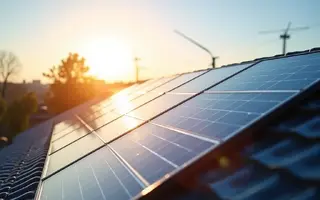
As solar energy adoption continues to grow across residential and commercial sectors, legal issues related to property rights and solar access are becoming increasingly important. Installing a solar system is not just a technical and financial decision—it is also a legal one.
Property owners often assume they have full control over their land and airspace, but when it comes to solar energy, issues such as shading, zoning regulations, easements, and homeowners association (HOA) rules can complicate matters. These legal factors can directly impact the efficiency, performance, and long-term value of a solar installation.
In Tier 1 markets like the United States, solar access laws and property rights regulations are evolving to support renewable energy adoption while balancing the rights of neighboring property owners. This article provides a comprehensive guide to understanding these laws, common disputes, and how to protect your solar investment.
What Are Solar Access Laws?
Solar access laws are legal provisions designed to ensure that property owners can access sunlight for solar energy systems without unreasonable obstruction.
Purpose of Solar Access Laws
- Protect the right to generate solar energy
- Prevent shading from neighboring properties
- Encourage renewable energy adoption
- Balance competing property rights
These laws vary by jurisdiction but generally aim to support the use of solar technology.
Understanding Property Rights in Solar Installations
Property rights determine what a landowner can and cannot do with their property.
Key Concepts
Surface Rights
Ownership of the land and structures.
Airspace Rights
The right to use the space above the property, which is critical for solar access.
Neighboring Property Rights
Adjacent property owners also have rights that must be respected.
Conflicts often arise when one property owner’s actions affect another’s access to sunlight.
Solar Easements Explained
A solar easement is a legal agreement that protects access to sunlight across neighboring properties.
How Solar Easements Work
- Voluntary agreement between property owners
- Defines the area where sunlight must remain unobstructed
- Recorded with local authorities
Key Elements of a Solar Easement
- Description of the affected area
- Restrictions on obstructions
- Duration of the agreement
- Compensation terms (if applicable)
Solar easements provide a legal framework for resolving potential conflicts.
Solar Access vs. Property Rights Conflicts
Conflicts between solar access and property rights are common.
Typical Disputes
- Trees or structures blocking sunlight
- New construction causing shading
- Disagreements over property boundaries
- HOA restrictions on solar installations
Legal Considerations
Courts often balance the rights of both parties, considering factors such as:
- Timing of installation
- Local regulations
- Impact on property value
Zoning Laws and Solar Installations
Zoning regulations play a significant role in solar projects.
Key Zoning Issues
- Building height restrictions
- Setback requirements
- Land use classifications
- Permitting requirements
Local governments may impose restrictions that affect solar system placement and design.
Homeowners Association (HOA) Rules
HOAs can influence solar installations in residential communities.
Common HOA Restrictions
- Aesthetic guidelines
- Placement limitations
- Approval requirements
Legal Protections
Many regions have laws limiting HOA restrictions on solar installations to promote renewable energy.
Solar Rights in the United States
In the U.S., solar access laws vary by state.
Examples of State-Level Policies
- Solar easement laws
- Solar rights acts
- Restrictions on HOA interference
Some states have stronger protections for solar users, while others rely more on local regulations.
Shading Disputes and Legal Remedies
Shading is one of the most common causes of solar disputes.
Common Causes
- Tree growth
- New construction
- Structural modifications
Resolution Options
- Negotiation with neighbors
- Establishing solar easements
- Legal action if necessary
Early communication can often prevent disputes from escalating.
Permits and Compliance Requirements
Solar installations must comply with various legal requirements.
Key Permits
- Building permits
- Electrical permits
- Environmental approvals
Failure to obtain proper permits can result in fines or project delays.
How to Protect Your Solar Investment
Taking proactive steps can help avoid legal issues.
Best Practices
- Conduct a site analysis for potential shading
- Review local solar access laws
- Secure solar easements when possible
- Work with experienced installers and legal advisors
- Ensure compliance with zoning and HOA rules
Role of Legal Professionals
Legal experts play a crucial role in solar projects.
How Lawyers Can Help
- Draft and review solar easements
- Resolve disputes
- Ensure compliance with regulations
- Provide guidance on property rights
For high-value installations, legal support is highly recommended.
Future Trends in Solar Access Laws
As solar adoption increases, legal frameworks are evolving.
Emerging Trends
- Stronger protections for solar access
- Standardization of solar easements
- Increased enforcement of zoning regulations
- Expansion of renewable energy incentives
These changes aim to support the growth of solar energy while minimizing conflicts.
Strategic Importance for Property Owners and Investors
Understanding solar access laws provides significant advantages.
Key Benefits
- Reduced legal risk
- Improved system performance
- Increased property value
- Better long-term planning
For investors and property owners, legal awareness is essential for maximizing returns.
Conclusion
Property rights and solar access laws are critical components of any solar installation. While solar energy offers significant financial and environmental benefits, legal considerations can impact project success.
By understanding key concepts such as solar easements, zoning regulations, and HOA rules, property owners can protect their investments and avoid disputes. As the solar industry continues to grow, staying informed about legal developments will be essential for anyone considering solar energy.
Frequently Asked Questions (FAQ)
1. What are solar access laws?
Solar access laws protect a property owner’s right to receive sunlight for solar energy systems.
2. What is a solar easement?
A solar easement is a legal agreement that ensures access to sunlight across neighboring properties.
3. Can neighbors block my solar panels?
It depends on local laws and agreements such as solar easements.
4. Do HOAs have authority over solar installations?
Yes, but many regions limit HOA restrictions to support solar adoption.
5. Why are permits important for solar installations?
Permits ensure compliance with safety and legal requirements.