What Happens When Solar Contracts Go Wrong? Real Case Insights

- Common Reasons for Contract Failures
- Scenario
- Outcome
- Lessons Learned
- Scenario
- Outcome
- Lessons Learned
- Scenario
- Outcome
- Lessons Learned
- Scenario
- Outcome
- Lessons Learned
- Scenario
- Outcome
- Lessons Learned
- Potential Legal Consequences
- Negotiation
- Mediation
- Arbitration
- Litigation
- Important Clauses
- Best Practices
- Benefits of Expert Advice
- Emerging Trends
- Key Benefits
- 1. What are the most common solar contract issues?
- 2. How can I avoid solar contract disputes?
- 3. What should I do if my solar system underperforms?
- 4. Are solar contracts legally binding?
- 5. When should I seek legal help?
Introduction
The rapid expansion of the solar energy market has led to a surge in contracts between homeowners, businesses, installers, and financing providers. While most solar projects proceed smoothly, a growing number of cases reveal what happens when solar contracts go wrong.
From hidden fees and underperforming systems to legal disputes and failed installations, contract-related issues can result in significant financial losses and operational disruptions. In Tier 1 markets such as the United States, these disputes often involve high-value agreements, making them a major concern for property owners, investors, and legal professionals.
This article explores real-world scenarios, common causes of contract failures, and practical strategies to avoid and resolve disputes. It also highlights key lessons that can help protect your solar investment.
Why Solar Contracts Fail
Solar contracts are complex agreements that involve multiple stakeholders and long-term commitments.
Common Reasons for Contract Failures
- Poorly defined terms and conditions
- Lack of transparency in pricing
- Misaligned expectations between parties
- Incomplete or misleading information
- Regulatory and compliance issues
These factors can lead to disputes that escalate into legal action if not addressed early.
Real Case Insight 1: Hidden Costs and Pricing Disputes
One of the most common issues in solar contracts is the presence of hidden costs.
Scenario
A homeowner signs a solar installation agreement based on an attractive initial quote. However, after installation begins, additional charges for permits, equipment upgrades, and labor are introduced.
Outcome
The total project cost increases significantly, leading to disputes between the homeowner and the installer.
Lessons Learned
- Always review the full cost breakdown
- Ensure all fees are clearly stated in the contract
- Avoid agreements with vague pricing terms
Real Case Insight 2: Underperforming Solar Systems
Performance disputes are another frequent issue.
Scenario
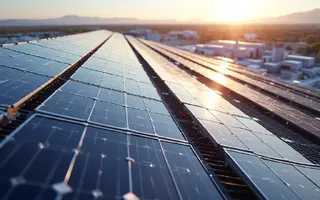
A business installs a commercial solar system expecting a specific level of energy output. However, the system consistently underperforms.
Outcome
The company experiences lower-than-expected energy savings and files a claim against the installer.
Lessons Learned
- Include performance guarantees in contracts
- Monitor system output regularly
- Understand warranty coverage
Real Case Insight 3: Delays in Installation
Project delays can lead to financial and operational challenges.
Scenario
A solar project is delayed due to supply chain issues and permitting problems. The delay affects business operations and expected savings.
Outcome
The client seeks compensation for lost time and revenue.
Lessons Learned
- Include clear timelines in contracts
- Add penalty clauses for delays
- Work with experienced contractors
Real Case Insight 4: Financing and PPA Disputes
Solar financing agreements, such as Power Purchase Agreements (PPAs), can also lead to disputes.
Scenario
A company enters into a long-term PPA with fixed rates. However, market energy prices drop, making the agreement less favorable.
Outcome
The company faces higher energy costs compared to market rates and attempts to renegotiate or exit the contract.
Lessons Learned
- Understand long-term financial implications
- Review contract flexibility and exit clauses
- Consult financial advisors before signing
Real Case Insight 5: Warranty and Maintenance Issues
Warranty disputes often arise when systems fail or require maintenance.
Scenario
A solar system experiences technical issues, but the installer claims the problem is not covered under warranty.
Outcome
The property owner must pay for repairs or pursue legal action.
Lessons Learned
- Review warranty terms carefully
- Keep documentation of system performance
- Work with reputable manufacturers and installers
Legal Risks of Failed Solar Contracts
When contracts go wrong, legal risks can escalate quickly.
Potential Legal Consequences
- Breach of contract claims
- Financial penalties
- Project delays and cancellations
- Litigation costs
- Damage to business reputation
Understanding these risks is essential for both individuals and businesses.
How to Resolve Solar Contract Disputes
Resolving disputes requires a structured approach.
Negotiation
Direct communication between parties to reach a mutually acceptable solution.
Mediation
A neutral third party facilitates discussions and helps resolve conflicts.
Arbitration
A binding decision is made by an independent arbitrator.
Litigation
Legal action through courts as a last resort.
Each method has its advantages depending on the complexity of the dispute.
Key Clauses to Watch in Solar Contracts
Carefully reviewing contract terms can prevent disputes.
Important Clauses
- Pricing and payment terms
- Performance guarantees
- Installation timelines
- Warranty coverage
- Termination and exit clauses
Understanding these elements is critical before signing any agreement.
Preventing Solar Contract Issues
Prevention is the most effective strategy.
Best Practices
- Conduct thorough due diligence
- Work with certified and reputable installers
- Seek legal advice before signing contracts
- Ensure transparency in all agreements
- Maintain proper documentation
Taking these steps can significantly reduce the risk of disputes.
Role of Legal and Financial Advisors
Professional guidance is essential for complex solar projects.
Benefits of Expert Advice
- Identifying potential risks
- Reviewing contract terms
- Ensuring compliance with regulations
- Providing dispute resolution support
For high-value projects, legal and financial advisors can help protect investments.
Future Trends in Solar Contracting
The solar industry is evolving, and so are contract practices.
Emerging Trends
- Standardized contract templates
- Increased regulation and oversight
- Growth of solar-specific legal services
- Enhanced transparency in pricing
These trends aim to reduce disputes and improve industry reliability.
Strategic Importance for Investors and Businesses
Understanding what happens when solar contracts fail provides valuable insights.
Key Benefits
- Better risk management
- Improved decision-making
- Enhanced financial planning
- Stronger contract negotiation skills
For investors and businesses, this knowledge is essential for long-term success.
Conclusion
Solar contracts are the foundation of any solar project, but when they go wrong, the consequences can be significant. From hidden costs and performance issues to legal disputes and financial losses, contract failures highlight the importance of careful planning and due diligence.
By learning from real case insights, understanding common risks, and implementing preventive measures, property owners and businesses can protect their investments and ensure successful solar projects.
As the solar industry continues to grow, the importance of well-structured contracts and legal awareness will only increase.
Frequently Asked Questions (FAQ)
1. What are the most common solar contract issues?
Common issues include hidden costs, performance disputes, delays, and financing problems.
2. How can I avoid solar contract disputes?
Carefully review contract terms, work with reputable providers, and seek legal advice.
3. What should I do if my solar system underperforms?
Check warranty coverage, document performance, and contact the installer or manufacturer.
4. Are solar contracts legally binding?
Yes, solar contracts are legally binding agreements and can lead to legal action if breached.
5. When should I seek legal help?
If disputes cannot be resolved through negotiation or mediation, consult a legal professional.