How Aerospace and Defense Industries Use Solar Energy for Cost Efficiency and Energy Security

- Key Energy Demands
- Challenges with Traditional Energy Sources
- Key Applications
- Military Bases and Installations
- Remote Operations
- Satellite and Space Technology
- Aircraft and UAV Systems
- What Is a Solar Microgrid?
- Benefits
- Key Cost Savings
- ROI and Payback Period
- Budget Optimization
- How Solar Enhances Security
- Benefits of Off-Grid Solar
- Key Innovations
- Key Uses
- High Initial Investment
- Technical Complexity
- Environmental Conditions
- Security Concerns
- Emerging Trends
- Operational Benefits
- Financial Benefits
- Strategic Advantages
- ESG Benefits
- 1. Why is solar energy important for defense industries?
- 2. How do military bases use solar energy?
- 3. Can solar energy be used in remote military operations?
- 4. What is the ROI for solar in aerospace and defense?
- 5. What are the main benefits of solar energy in aerospace?
Introduction
The aerospace and defense industries are among the most technologically advanced and energy-intensive sectors in the world. From aircraft manufacturing and satellite operations to military bases and defense systems, these industries rely on continuous, secure, and highly reliable energy sources.
In 2026, energy is no longer just an operational requirement—it is a strategic asset. Rising fuel costs, increasing energy demand, and growing concerns about energy security have driven aerospace and defense organizations to explore alternative energy solutions. Among these, solar energy for aerospace and defense industries has emerged as a critical component of modern energy strategies.
Solar power offers a unique combination of cost efficiency, operational resilience, and energy independence. By integrating industrial solar systems, microgrids, and energy storage solutions, aerospace and defense organizations can reduce reliance on traditional energy sources while enhancing mission readiness and security.
This article explores how solar energy is being adopted in aerospace and defense, focusing on cost reduction, energy security, system design, and future trends.
Why Energy Matters in Aerospace and Defense
Energy plays a critical role in both commercial aerospace and military operations.
Key Energy Demands
- Aircraft manufacturing and testing facilities
- Satellite communication systems
- Military bases and installations
- Data centers and command centers
- Research and development laboratories
These operations require uninterrupted power, as even minor disruptions can lead to significant operational risks.
Challenges with Traditional Energy Sources
- Dependence on fossil fuels
- High fuel transportation costs
- Vulnerability to supply disruptions
- Price volatility
These challenges make energy resilience in defense systems a top priority.
The Role of Solar Energy in Aerospace and Defense
Solar energy is increasingly being integrated into both infrastructure and operations.
Key Applications
Military Bases and Installations
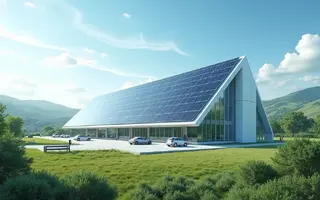
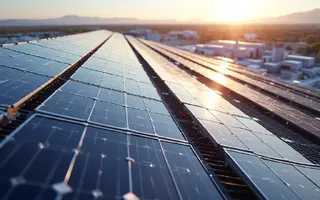
Solar panels are installed on-site to provide reliable and cost-effective power.
Remote Operations
Off-grid solar systems support operations in remote or hostile environments.
Satellite and Space Technology
Solar energy powers satellites and space missions.
Aircraft and UAV Systems
Solar-powered drones and experimental aircraft are being developed.
Solar Microgrids for Energy Security
One of the most important applications of solar energy in defense is the use of solar microgrids.
What Is a Solar Microgrid?
A localized energy system that combines solar power, battery storage, and backup generators.
Benefits
- Energy independence
- Reduced reliance on external power sources
- Enhanced resilience during outages
- Improved operational security
Solar microgrids are critical for ensuring uninterrupted power in mission-critical environments.
Cost Efficiency and Financial Benefits
Solar energy provides significant cost advantages for aerospace and defense organizations.
Key Cost Savings
- Reduced electricity and fuel expenses
- Lower maintenance costs for energy systems
- Decreased reliance on diesel generators
ROI and Payback Period
Most large-scale solar projects in this sector achieve ROI within 4 to 8 years, depending on system size and energy usage.
Budget Optimization
For government and defense agencies, reducing energy costs allows more resources to be allocated to core operations.
Solar Energy and Energy Security
Energy security is a major concern in defense operations.
How Solar Enhances Security
- Reduces dependence on vulnerable supply chains
- Provides on-site energy generation
- Minimizes risk of power disruptions
- Supports critical infrastructure during emergencies
Solar energy is a key component of modern energy resilience strategies.
Off-Grid Solar Solutions for Remote Operations
Many defense operations take place in remote locations where grid access is limited.
Benefits of Off-Grid Solar
- Eliminates need for fuel transportation
- Reduces logistical risks
- Enables long-term deployment in remote areas
- Improves operational flexibility
Off-grid solar systems are particularly valuable for military missions and field operations.
Integration with Advanced Technologies
Solar energy is being integrated with advanced technologies in aerospace and defense.
Key Innovations
- AI-driven energy management systems
- Smart grids for real-time monitoring
- Advanced battery storage solutions
- Hybrid energy systems combining solar and traditional power
These technologies improve efficiency and reliability.
Solar Energy in Space Applications
Solar power has long been used in space exploration.
Key Uses
- Powering satellites
- Supporting space stations
- Enabling long-duration missions
Solar energy is essential for space operations due to its reliability and availability.
Challenges of Solar Adoption in Aerospace and Defense
Despite its benefits, solar energy adoption faces challenges.
High Initial Investment
Upfront costs can be significant for large-scale projects.
Technical Complexity
Integration with sensitive systems requires advanced engineering.
Environmental Conditions
Harsh environments can affect system performance.
Security Concerns
Energy systems must meet strict security standards.
Ongoing advancements are helping to address these challenges.
Future Trends in Solar for Aerospace and Defense
The use of solar energy in these industries is expected to grow.
Emerging Trends
- Development of solar-powered UAVs
- Expansion of military microgrids
- Increased use of energy storage systems
- Integration with next-generation defense technologies
These trends will further enhance efficiency and security.
Strategic Advantages for Governments and Contractors
Adopting solar energy provides several strategic benefits.
Operational Benefits
- Improved energy reliability
- Reduced operational costs
- Enhanced mission readiness
Financial Benefits
- Long-term cost savings
- Better budget allocation
- Reduced exposure to fuel price volatility
Strategic Advantages
- Increased energy independence
- Stronger national security
- Alignment with sustainability goals
Solar Energy and ESG in Defense Sector
Even the defense sector is increasingly focusing on sustainability.
ESG Benefits
- Reduced carbon emissions
- Improved environmental compliance
- Enhanced public perception
Solar energy supports both operational and environmental objectives.
Conclusion
Solar energy is transforming the aerospace and defense industries by providing a reliable, cost-effective, and secure energy solution. From powering military bases and remote operations to supporting advanced technologies and space missions, solar energy plays a critical role in modern defense strategies.
As energy demands continue to grow and security concerns intensify, the adoption of solar energy will accelerate. For aerospace and defense organizations, investing in solar power is not just about reducing costs—it is about ensuring long-term resilience, security, and operational success.
Frequently Asked Questions (FAQ)
1. Why is solar energy important for defense industries?
It provides energy security, reduces costs, and supports reliable operations.
2. How do military bases use solar energy?
They use solar panels and microgrids to generate and manage on-site power.
3. Can solar energy be used in remote military operations?
Yes, off-grid solar systems are ideal for remote and field operations.
4. What is the ROI for solar in aerospace and defense?
Most projects achieve ROI within 4 to 8 years.
5. What are the main benefits of solar energy in aerospace?
Key benefits include cost savings, energy security, and operational efficiency.