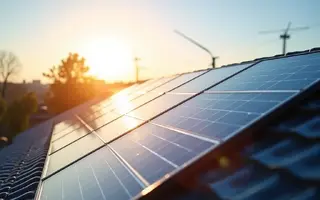
Building-Integrated Photovoltaics (BIPV): Solar Without Panels
- Common BIPV Applications
- Key Components
- Photovoltaic Cells
- Integrated Building Materials
- Inverters
- Energy Management Systems
- Solar Glass
- Solar Facades
- Solar Roof Tiles
- Thin-Film Solar
- Estimated Cost Range (2026)
- Factors Affecting Cost
- Cost Savings
- Increased Property Value
- ROI Timeline
- Aesthetic Integration
- Space Efficiency
- Dual Functionality
- Sustainability
- Compliance
- Key Differences
- Design
- Cost
- Efficiency
- Aesthetics
- Applications
- Benefits for Developers
- High Initial Cost
- Lower Efficiency Compared to Traditional Panels
- Complex Installation
- Limited Awareness
- Emerging Trends
- Financial Benefits
- Competitive Advantages
- 1. What is BIPV?
- 2. Is BIPV more expensive than traditional solar panels?
- 3. What is the ROI for BIPV systems?
- 4. Can BIPV be used in residential buildings?
- 5. What are the main benefits of BIPV?
Introduction
As urban environments evolve and sustainability becomes a central focus in construction and real estate, traditional solar panel installations are no longer the only option for renewable energy generation. A new approach, known as building-integrated photovoltaics (BIPV), is redefining how solar energy is incorporated into modern architecture.
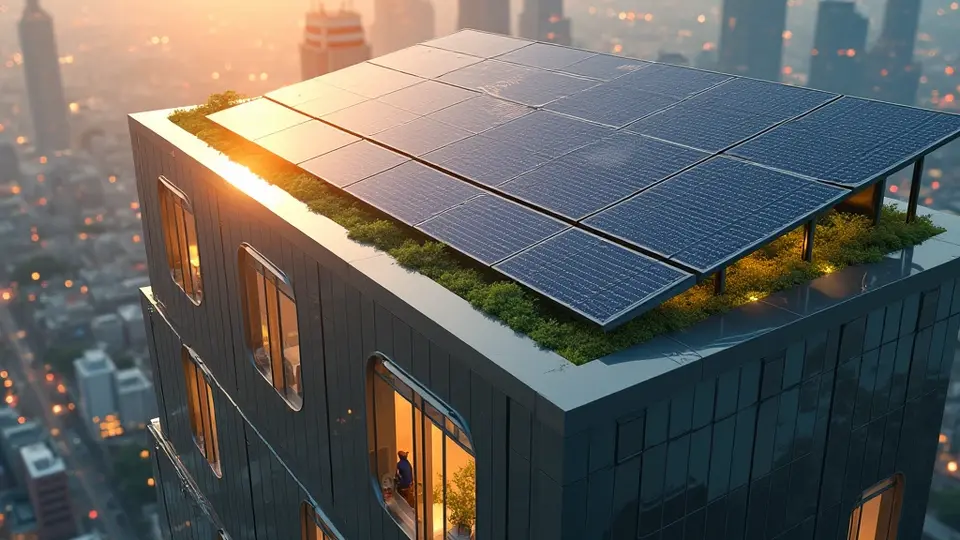
Unlike conventional solar panels mounted on rooftops, BIPV systems are seamlessly integrated into building materials such as glass, facades, roofs, and even windows. This allows buildings to generate electricity without altering their visual design, making solar energy more attractive for architects, developers, and property owners.
In 2026, BIPV systems for commercial and residential buildings are gaining significant traction, particularly in Tier 1 markets where energy efficiency regulations and sustainability standards are becoming more stringent. This article explores how BIPV works, its cost, return on investment, benefits, challenges, and future potential.
What Is Building-Integrated Photovoltaics (BIPV)?
Building-integrated photovoltaics refers to solar technology that is embedded directly into building components, replacing traditional construction materials.
Common BIPV Applications
- Solar glass windows
- Solar facades and curtain walls
- Solar roof tiles and shingles
- Skylights and canopies
- Transparent solar panels
Instead of installing solar panels on top of a structure, BIPV systems become part of the building itself.
How BIPV Systems Work
BIPV systems operate similarly to traditional solar panels but are designed to serve dual functions: energy generation and structural support.
Key Components
Photovoltaic Cells
Convert sunlight into electricity.
Integrated Building Materials
Act as both structural elements and energy-generating surfaces.
Inverters
Convert direct current into usable electricity.
Energy Management Systems
Optimize energy usage and monitor system performance.
Types of BIPV Technologies
There are several types of BIPV technologies available in the market.
Solar Glass
Transparent or semi-transparent photovoltaic glass used in windows and facades.
Solar Facades
Photovoltaic panels integrated into the exterior walls of buildings.
Solar Roof Tiles
Roofing materials that generate electricity while providing protection from weather.
Thin-Film Solar
Lightweight and flexible solar materials suitable for complex architectural designs.
Cost of BIPV Systems
The cost of BIPV systems is typically higher than traditional solar panels due to their dual functionality and integration into building materials.
Estimated Cost Range (2026)
- Residential BIPV systems: $20,000 to $60,000
- Commercial buildings: $100,000 to $1 million+
- Large-scale projects: $1 million to $10 million+
Factors Affecting Cost
- Type of BIPV technology
- Building size and design complexity
- Installation and integration requirements
- Location and labor costs
While the initial cost is higher, BIPV systems can offset expenses by replacing conventional building materials.
ROI and Financial Benefits
BIPV systems offer long-term financial benefits for property owners and developers.
Cost Savings
- Reduced electricity bills
- Lower energy consumption
- Potential tax incentives and rebates
Increased Property Value
Energy-efficient buildings often have higher market value and attract premium tenants.
ROI Timeline
Most BIPV installations achieve ROI within 6 to 12 years, depending on energy usage and system size.
Advantages of BIPV Systems
Aesthetic Integration
BIPV systems blend seamlessly with building design, unlike traditional solar panels.
Space Efficiency
They utilize existing building surfaces, eliminating the need for additional space.
Dual Functionality
Serve as both construction materials and energy generators.
Sustainability
Reduce carbon emissions and support green building standards.
Compliance
Help meet energy efficiency and environmental regulations in many regions.
BIPV vs Traditional Solar Panels
Key Differences
Design
BIPV integrates into buildings, while traditional panels are mounted externally.
Cost
BIPV has higher upfront costs but replaces building materials.
Efficiency
Traditional panels may offer slightly higher efficiency, but BIPV provides additional benefits.
Aesthetics
BIPV offers superior design flexibility and visual appeal.
BIPV in Commercial Real Estate
Commercial buildings are among the largest adopters of BIPV technology.
Applications
- Office buildings
- Shopping centers
- Hotels and resorts
- Airports and transportation hubs
Benefits for Developers
- Increased property value
- Improved tenant attraction
- Compliance with sustainability standards
- Reduced operational costs
BIPV and Green Building Certifications
BIPV systems contribute to green building certifications such as:
- LEED (Leadership in Energy and Environmental Design)
- BREEAM (Building Research Establishment Environmental Assessment Method)
These certifications enhance building value and attract environmentally conscious investors.
Challenges of BIPV Adoption
Despite its advantages, BIPV faces several challenges.
High Initial Cost
Upfront investment can be significant.
Lower Efficiency Compared to Traditional Panels
Some BIPV systems may have lower energy output.
Complex Installation
Requires coordination between architects, engineers, and contractors.
Limited Awareness
Many developers are still unfamiliar with BIPV technology.
Future Trends in BIPV Technology
The future of BIPV is promising, with ongoing advancements in technology.
Emerging Trends
- Improved efficiency of solar glass
- Expansion of transparent solar panels
- Integration with smart building systems
- Increased adoption in urban environments
- Falling costs due to technological advancements
These trends are expected to drive widespread adoption of BIPV in the coming years.
Strategic Advantages for Investors and Developers
Financial Benefits
- Long-term energy savings
- Increased property value
- Access to tax incentives
Competitive Advantages
- Differentiation in real estate market
- Alignment with sustainability goals
- Attraction of premium tenants and investors
Conclusion
Building-integrated photovoltaics represent a major shift in how solar energy is deployed in modern construction. By combining energy generation with architectural design, BIPV systems provide a unique solution that addresses both sustainability and aesthetics.
As energy regulations tighten and demand for sustainable buildings increases, BIPV is expected to become a standard feature in high-end residential and commercial developments. For developers, investors, and property owners, adopting BIPV is not just an environmental decision—it is a strategic investment in the future of real estate and energy efficiency.
Frequently Asked Questions (FAQ)
1. What is BIPV?
BIPV stands for building-integrated photovoltaics, a technology that integrates solar energy systems into building materials.
2. Is BIPV more expensive than traditional solar panels?
Yes, BIPV systems generally have higher upfront costs but can replace traditional building materials.
3. What is the ROI for BIPV systems?
Most systems achieve ROI within 6 to 12 years.
4. Can BIPV be used in residential buildings?
Yes, BIPV is suitable for both residential and commercial properties.
5. What are the main benefits of BIPV?
Key benefits include aesthetic integration, energy savings, sustainability, and increased property value.